
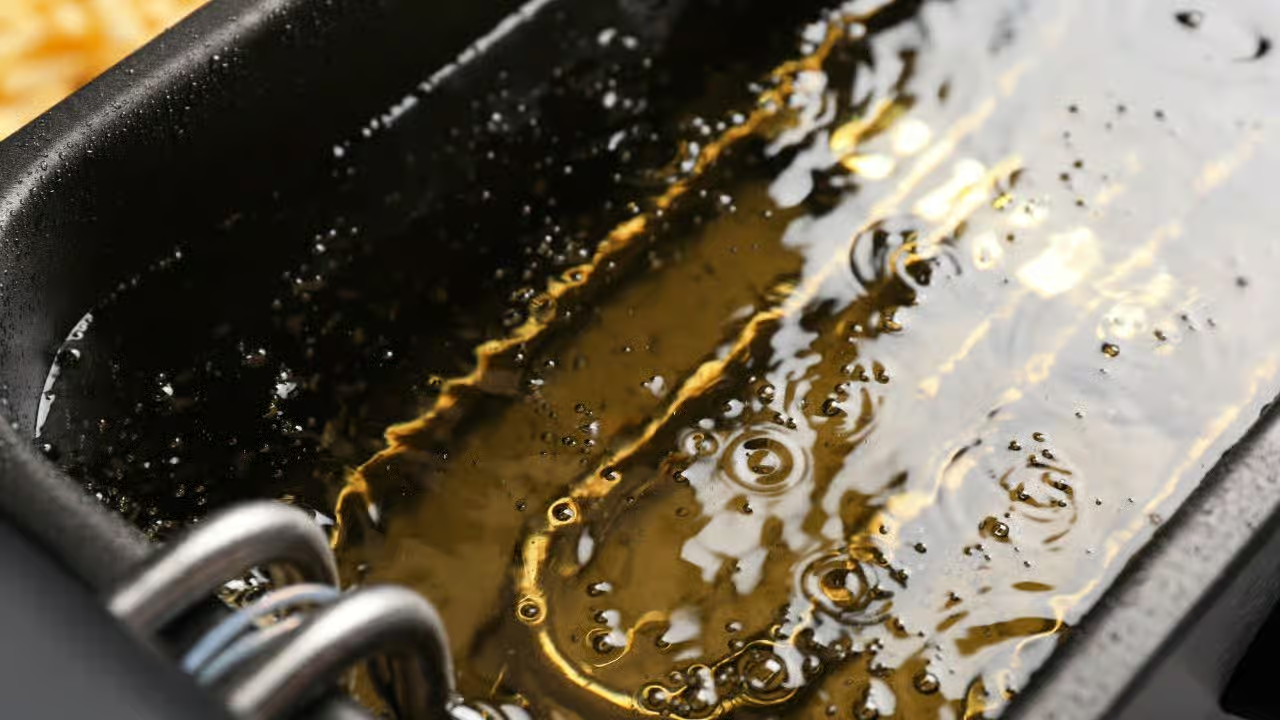
The quality of food is intrinsically linked to the ingredients and methods used in its preparation. Among these, frying oil plays a crucial role when it comes to fried foods. However, a common oversight in many kitchens, both commercial and domestic, is ignoring the signs of deteriorating frying oil. This negligence can lead to a rapid decline in food quality, affecting not only taste but also health.
Frying oil undergoes significant changes during cooking due to exposure to high temperatures. Over time, this leads to chemical reactions that alter its composition. One of the primary indicators of degrading oil is its color; fresh oil has a light golden hue while used oil darkens progressively with each use. Ignoring this visual cue often results in food that appears unappetizingly dark or burnt even when cooked for appropriate durations.
Another critical sign is the odor emitted by old frying oil. Fresh oils have little to no smell before heating, but as they break down chemically through repeated use, they start releasing unpleasant odors reminiscent of rancidity or burning. Foods fried in such oils inevitably absorb these off-putting scents and flavors, which can be immediately detected upon tasting.
The texture of fried foods also suffers when cooked in degraded oils. Ideally crispy exteriors become soggy or excessively greasy due to poor heat conduction properties of old oils. This not only diminishes the sensory appeal but also affects consumer perception regarding freshness and hygiene standards.
Beyond sensory attributes like taste and smell, using Bad frying oil signs poses serious health risks too. As oils degrade under heat stress over time, harmful compounds such as free radicals and acrylamide are formed—substances linked with inflammation and increased cancer risk respectively if consumed regularly over long periods.